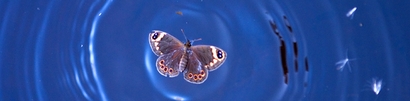
我从小就相信,品味纯粹是个人偏好的问题。每个人都有自己喜欢的东西,没有谁的偏好比别人的更好。根本不存在所谓的“好”品味。
I grew up believing that taste is just a matter of personal preference. Each person has things they like, but no one's preferences are any better than anyone else's. There is no such thing as good taste.
就像我长大过程中相信的许多事情一样,这被证明是错误的,而我将试着解释其中的原因。
Like a lot of things I grew up believing, this turns out to be false, and I'm going to try to explain why.
说不存在“好品味”的一个问题在于,这也意味着不存在“好艺术”。如果存在好艺术,那么喜欢它的人就比不喜欢的人更有品味。所以,如果你否定了品味,你也就不得不否定“艺术有优劣之分”以及“艺术家有水平高低之别”的观点。
One problem with saying there's no such thing as good taste is that it also means there's no such thing as good art. If there were good art, then people who liked it would have better taste than people who didn't. So if you discard taste, you also have to discard the idea of art being good, and artists being good at making it.
正是顺着这个线索抽丝剥茧,击碎了我童年对相对主义的信仰。当你试图去创造东西时,品味就成了一个实际问题。你必须决定下一步该怎么做。如果我改动那个部分,会把这幅画画得更好吗?如果根本没有“更好”这回事,那么你做什么都无所谓了。事实上,你画不画都无所谓。你大可以去买一个现成的空白画布。如果不存在“好”,那么这样做和画出西斯廷教堂的天顶画就是一样伟大的成就。当然,前者省事得多,但如果你能用更少的努力达到同样的水平,那显然更令人赞叹,而不是更逊色。
It was pulling on that thread that unravelled my childhood faith in relativism. When you're trying to make things, taste becomes a practical matter. You have to decide what to do next. Would it make the painting better if I changed that part? If there's no such thing as better, it doesn't matter what you do. In fact, it doesn't matter if you paint at all. You could just go out and buy a ready-made blank canvas. If there's no such thing as good, that would be just as great an achievement as the ceiling of the Sistine Chapel. Less laborious, certainly, but if you can achieve the same level of performance with less effort, surely that's more impressive, not less.
然而,这听起来不太对劲,不是吗?
Yet that doesn't seem quite right, does it?
观众
Audience
我认为解开这个谜团的关键在于,要记住艺术是有观众的。艺术是有目的的,那就是引起观众的兴趣。优秀的艺术(就像任何优秀的事物一样)是能够特别好地实现其目的的艺术。“兴趣”的含义可能各不相同。有些艺术品旨在震撼人心,有些旨在取悦他人;有些旨在让你眼前一亮,有些则甘愿安静地充当背景。但所有的艺术都必须对观众产生作用,而且——这是关键的一点——观众的成员之间是有共同点的。
I think the key to this puzzle is to remember that art has an audience. Art has a purpose, which is to interest its audience. Good art (like good anything) is art that achieves its purpose particularly well. The meaning of "interest" can vary. Some works of art are meant to shock, and others to please; some are meant to jump out at you, and others to sit quietly in the background. But all art has to work on an audience, and—here's the critical point—members of the audience share things in common.
例如,几乎所有人类都会被人类的面孔所吸引。这似乎是刻在我们基因里的。婴儿几乎从出生起就能识别面孔。事实上,面孔似乎是与我们对它们的兴趣共同进化的;面孔就是身体的广告牌。因此,在其他条件相同的情况下,一幅画有面孔的画会比一幅没有面孔的画更能吸引人们的兴趣。[1]
For example, nearly all humans find human faces engaging. It seems to be wired into us. Babies can recognize faces practically from birth. In fact, faces seem to have co-evolved with our interest in them; the face is the body's billboard. So all other things being equal, a painting with faces in it will interest people more than one without. [1]
人们之所以很容易相信品味仅仅是个人偏好,一个原因在于:如果不是这样,你该如何挑选出那些更有品味的人?世界上有几十亿人,每个人都有自己的看法;你凭什么认为某人的观点比另一个人的更好?[2]
One reason it's easy to believe that taste is merely personal preference is that, if it isn't, how do you pick out the people with better taste? There are billions of people, each with their own opinion; on what grounds can you prefer one to another? [2]
但是,如果观众有许多共同点,你就不必在随机的个人偏见中做出选择,因为这些偏见并不是随机的。所有人类都会被面孔吸引——这几乎是定义使然:人脸识别存在于我们的 DNA 中。因此,要建立“好艺术”(即把工作做得很出色的艺术)这一概念,并不需要你挑选出少数几个人,并把他们的观点贴上“正确”的标签。无论你挑选谁,他们都会被面孔吸引。
But if audiences have a lot in common, you're not in a position of having to choose one out of a random set of individual biases, because the set isn't random. All humans find faces engaging—practically by definition: face recognition is in our DNA. And so having a notion of good art, in the sense of art that does its job well, doesn't require you to pick out a few individuals and label their opinions as correct. No matter who you pick, they'll find faces engaging.
当然,外星人可能不会对人类的面孔感兴趣。但他们可能会和我们有其他共同点。最有可能的例子来源是数学。我预计外星人在大多数情况下会和我们一样,对两个证明中哪一个更好达成共识。爱多士(Erdos)就是这么想的。他把最优雅的证明称为“来自上帝之书”的证明,而想必上帝之书是宇宙通用的。[3]
Of course, space aliens probably wouldn't find human faces engaging. But there might be other things they shared in common with us. The most likely source of examples is math. I expect space aliens would agree with us most of the time about which of two proofs was better. Erdos thought so. He called a maximally elegant proof one out of God's book, and presumably God's book is universal. [3]
一旦你开始讨论观众,你就不必简单地争论是否存在品味的标准。相反,品味是一系列同心圆,就像池塘里的涟漪。有些东西会吸引你和你的朋友,有些会吸引大多数和你同龄的人,有些会吸引大多数人类,或许还有些会吸引大多数有知觉的生命(无论这意味着什么)。
Once you start talking about audiences, you don't have to argue simply that there are or aren't standards of taste. Instead tastes are a series of concentric rings, like ripples in a pond. There are some things that will appeal to you and your friends, others that will appeal to most people your age, others that will appeal to most humans, and perhaps others that would appeal to most sentient beings (whatever that means).
实际情况比这稍微复杂一些,因为在池塘的中央,有重叠的涟漪。例如,有些东西可能特别吸引男性,或者吸引来自某种特定文化的人。
The picture is slightly more complicated than that, because in the middle of the pond there are overlapping sets of ripples. For example, there might be things that appealed particularly to men, or to people from a certain culture.
如果好的艺术是能吸引其观众的艺术,那么当你谈论艺术的好坏时,你必须同时说明是针对什么观众。那么,简单地谈论艺术的好坏是毫无意义的吗?不,因为有一个观众群体是“所有可能存在的人类”。我认为,当人们说一件艺术品很好时,他们默认指的就是这个观众群体:他们的意思是,它能吸引任何人类。[4]
If good art is art that interests its audience, then when you talk about art being good, you also have to say for what audience. So is it meaningless to talk about art simply being good or bad? No, because one audience is the set of all possible humans. I think that's the audience people are implicitly talking about when they say a work of art is good: they mean it would engage any human. [4]
这是一个有意义的检验,因为尽管像任何日常概念一样,“人类”的边界是模糊的,但几乎所有人类都有很多共同点。除了我们对人脸的共同兴趣外,三原色对我们几乎所有人来说都有些特殊,因为这是我们眼睛工作方式的产物。大多数人类也会觉得三维物体的图像很吸引人,因为这似乎也是我们视觉感知中与生俱来的能力。[5] 在这之下还有边缘检测(edge-finding),它使得具有明确轮廓的图像比纯粹的模糊图像更具吸引力。
And that is a meaningful test, because although, like any everyday concept, "human" is fuzzy around the edges, there are a lot of things practically all humans have in common. In addition to our interest in faces, there's something special about primary colors for nearly all of us, because it's an artifact of the way our eyes work. Most humans will also find images of 3D objects engaging, because that also seems to be built into our visual perception. [5] And beneath that there's edge-finding, which makes images with definite shapes more engaging than mere blur.
当然,人类的共同点远不止这些。我的目的不是列出一份完整的清单,只是为了表明这里有一些坚实的基础。人们的偏好并不是随机的。因此,一个正在画画并试图决定是否修改其中某个部分的艺术家,不必去想:“何必费事呢?我还不如抛硬币决定。”相反,他可以问:“怎样才能让这幅画对人们来说更有趣?”而你之所以不能通过买一块空白画布来比肩米开朗基罗,是因为西斯廷教堂的天顶画对人们来说更有趣。
Humans have a lot more in common than this, of course. My goal is not to compile a complete list, just to show that there's some solid ground here. People's preferences aren't random. So an artist working on a painting and trying to decide whether to change some part of it doesn't have to think "Why bother? I might as well flip a coin." Instead he can ask "What would make the painting more interesting to people?" And the reason you can't equal Michelangelo by going out and buying a blank canvas is that the ceiling of the Sistine Chapel is more interesting to people.
许多哲学家很难相信艺术存在客观标准。在他们看来,美显然是发生在观察者脑海中的事情,而不是物体的属性。因此,它是“主观的”而不是“客观的”。但事实上,如果你把美的定义缩小为“对人类起作用的某种方式”,并观察人类有多少共同点,就会发现美终究是物体的一种属性。如果所有主体的反应都相似,你就不必在“它是主体的属性还是客体的属性”之间做出选择。因此,成为优秀的艺术,就像对人类有毒一样,都是物体的属性:如果它能持续地以某种方式影响人类,它就是优秀的艺术。
A lot of philosophers have had a hard time believing it was possible for there to be objective standards for art. It seemed obvious that beauty, for example, was something that happened in the head of the observer, not something that was a property of objects. It was thus "subjective" rather than "objective." But in fact if you narrow the definition of beauty to something that works a certain way on humans, and you observe how much humans have in common, it turns out to be a property of objects after all. You don't have to choose between something being a property of the subject or the object if subjects all react similarly. Being good art is thus a property of objects as much as, say, being toxic to humans is: it's good art if it consistently affects humans in a certain way.
误差
Error
那么,我们能通过投票来找出最好的艺术吗?毕竟,如果以吸引人类作为测试,我们应该可以直接去问他们,对吧?
So could we figure out what the best art is by taking a vote? After all, if appealing to humans is the test, we should be able to just ask them, right?
嗯,不完全是。对于大自然的产品,这也许行得通。我愿意吃全世界人投票选出最美味的苹果,我也可能愿意去他们投票选出最美丽的海滩,但如果要去看他们投票选出最好的画作,那完全就是碰运气了。
Well, not quite. For products of nature that might work. I'd be willing to eat the apple the world's population had voted most delicious, and I'd probably be willing to visit the beach they voted most beautiful, but having to look at the painting they voted the best would be a crapshoot.
人造的东西是不同的。一方面,艺术家不像苹果树,他们经常故意试图欺骗我们。有些手段非常微妙。例如,任何艺术品都会通过其完成度来设定人们的预期。你不会在一幅看起来像快速素描的作品中寻找照片般的精确度。因此,一种被广泛使用的技巧(尤其是在插画师中)是刻意让画作看起来比实际创作时画得更快。普通人看了会想:真是神乎其技。这就像在谈话中说了一句聪明的话,显得像是你当场灵光一现想出来的,而实际上你前一天就已经琢磨好了。
Man-made stuff is different. For one thing, artists, unlike apple trees, often deliberately try to trick us. Some tricks are quite subtle. For example, any work of art sets expectations by its level of finish. You don't expect photographic accuracy in something that looks like a quick sketch. So one widely used trick, especially among illustrators, is to intentionally make a painting or drawing look like it was done faster than it was. The average person looks at it and thinks: how amazingly skillful. It's like saying something clever in a conversation as if you'd thought of it on the spur of the moment, when in fact you'd worked it out the day before.
另一个远没有那么微妙的影响是品牌。如果你去看《蒙娜丽莎》,你可能会感到失望,因为它藏在厚厚的玻璃墙后面,周围挤满了疯狂拍照的游客。你最多只能像在拥挤的派对上隔着房间看朋友一样看着它。卢浮宫大可以用复制品代替它,没人能看得出来。然而,《蒙娜丽莎》是一幅又小又暗的画。如果你找来一些从未见过它照片的人,把他们送到一家博物馆,这幅画就挂在其他画作中间,标签只写着这是一位15世纪无名艺术家的肖像画,大多数人都会走过去,连第二眼都不会瞧。
Another much less subtle influence is brand. If you go to see the Mona Lisa, you'll probably be disappointed, because it's hidden behind a thick glass wall and surrounded by a frenzied crowd taking pictures of themselves in front of it. At best you can see it the way you see a friend across the room at a crowded party. The Louvre might as well replace it with copy; no one would be able to tell. And yet the Mona Lisa is a small, dark painting. If you found people who'd never seen an image of it and sent them to a museum in which it was hanging among other paintings with a tag labelling it as a portrait by an unknown fifteenth century artist, most would walk by without giving it a second look.
对于普通人来说,在评价艺术时,品牌主导了其他所有因素。看到一幅他们从复制品中认出的画作是如此具有压倒性,以至于他们对画作本身的反应被彻底淹没了。
For the average person, brand dominates all other factors in the judgement of art. Seeing a painting they recognize from reproductions is so overwhelming that their response to it as a painting is drowned out.
当然,还有人们对自己玩的心理把戏。大多数成年人在看艺术品时,都会担心如果自己不喜欢那些“理应”喜欢的东西,就会被认为没有文化。这不仅影响了他们口头上声称喜欢什么,他们实际上还会强迫自己去喜欢那些他们应该喜欢的东西。
And then of course there are the tricks people play on themselves. Most adults looking at art worry that if they don't like what they're supposed to, they'll be thought uncultured. This doesn't just affect what they claim to like; they actually make themselves like things they're supposed to.
这就是为什么你不能简单地通过投票来决定。虽然吸引人是一个有意义的测试,但在实践中你无法测量它,就像你无法用一个旁边放着磁铁的指南针来寻找北方一样。误差源是如此强大,以至于如果你进行投票,你测量到的全部只是误差。
That's why you can't just take a vote. Though appeal to people is a meaningful test, in practice you can't measure it, just as you can't find north using a compass with a magnet sitting next to it. There are sources of error so powerful that if you take a vote, all you're measuring is the error.
然而,我们可以从另一个方向接近我们的目标,那就是把我们自己当作小白鼠。你也是人类。如果你想知道人类对一件艺术品的基本反应是什么,你至少可以通过消除自己判断中的误差源来接近它。
We can, however, approach our goal from another direction, by using ourselves as guinea pigs. You're human. If you want to know what the basic human reaction to a piece of art would be, you can at least approach that by getting rid of the sources of error in your own judgements.
例如,虽然任何人对一幅名画的反应起初都会被它的名气所扭曲,但有一些方法可以减少这种影响。一种是反复来看这幅画。几天后,名气的光环就会消退,你就可以开始把它当成一幅画来看。另一种是站近一点。一幅在复制品中看熟了的画,在十英尺外看会显得更熟悉;而靠近看,你会看到在复制品中丢失的细节,因此你是在第一次真正看到它们。
For example, while anyone's reaction to a famous painting will be warped at first by its fame, there are ways to decrease its effects. One is to come back to the painting over and over. After a few days the fame wears off, and you can start to see it as a painting. Another is to stand close. A painting familiar from reproductions looks more familiar from ten feet away; close in you see details that get lost in reproductions, and which you're therefore seeing for the first time.
阻碍人们欣赏艺术品主要有两种误差:你自身境遇带来的偏见,以及艺术家玩的把戏。把戏很容易纠正。仅仅意识到它们的存在通常就能防止它们起作用。例如,当我十岁的时候,我曾对那些看起来像闪亮金属的喷枪字体大为震撼。但一旦你研究了它是怎么做的,你就会发现这是一个相当廉价的把戏——这种把戏依赖于极力按下几个视觉按钮,来暂时压倒观众。这就像试图通过对别人大喊大叫来服人一样。
There are two main kinds of error that get in the way of seeing a work of art: biases you bring from your own circumstances, and tricks played by the artist. Tricks are straightforward to correct for. Merely being aware of them usually prevents them from working. For example, when I was ten I used to be very impressed by airbrushed lettering that looked like shiny metal. But once you study how it's done, you see that it's a pretty cheesy trick—one of the sort that relies on pushing a few visual buttons really hard to temporarily overwhelm the viewer. It's like trying to convince someone by shouting at them.
不被把戏蒙蔽的方法是主动去寻找并记录它们。当你从某种艺术中察觉到一丝虚假的气息时,停下来,弄清楚是怎么回事。当有人显然在迎合那些容易被愚弄的观众时——无论是通过制作闪亮的东西来打动十岁孩子,还是制作显眼的先锋艺术来打动自以为是的知识分子——去了解他们是怎么做到的。一旦你见识了足够多特定类型的把戏,你就会像专业魔术师一样,开始成为鉴别一般骗术的行家。
The way not to be vulnerable to tricks is to explicitly seek out and catalog them. When you notice a whiff of dishonesty coming from some kind of art, stop and figure out what's going on. When someone is obviously pandering to an audience that's easily fooled, whether it's someone making shiny stuff to impress ten year olds, or someone making conspicuously avant-garde stuff to impress would-be intellectuals, learn how they do it. Once you've seen enough examples of specific types of tricks, you start to become a connoisseur of trickery in general, just as professional magicians are.
什么算作把戏?粗略地说,就是对观众带着轻蔑态度做出的东西。例如,1950年代设计法拉利的人,设计的可能是他们自己也赞赏的跑车。而我怀疑,在通用汽车公司,营销人员会对设计师说:“大多数买 SUV 的人是为了显得有男子气概,而不是为了开去越野。所以不用担心悬挂系统;只要把那家伙做得尽可能大、看起来尽可能强悍就行了。”[6]
What counts as a trick? Roughly, it's something done with contempt for the audience. For example, the guys designing Ferraris in the 1950s were probably designing cars that they themselves admired. Whereas I suspect over at General Motors the marketing people are telling the designers, "Most people who buy SUVs do it to seem manly, not to drive off-road. So don't worry about the suspension; just make that sucker as big and tough-looking as you can." [6]
我认为通过一些努力,你可以让自己对把戏几乎免疫。摆脱自身境遇的影响要困难一些,但你至少可以朝那个方向努力。方法是广泛地旅行,无论是在时间上还是空间上。如果你去看看其他文化中人们喜欢的各种不同的东西,并去了解过去人们喜欢的所有不同的东西,你可能会发现这改变了你的喜好。我怀疑你是否能让自己成为一个完全超越时空限制的人,哪怕仅仅是因为你在时间上只能朝一个方向旅行。但是,如果你发现一件艺术品能同时吸引你的朋友、尼泊尔人以及古希腊人,那么你可能真的发现了一些有价值的东西。
I think with some effort you can make yourself nearly immune to tricks. It's harder to escape the influence of your own circumstances, but you can at least move in that direction. The way to do it is to travel widely, in both time and space. If you go and see all the different kinds of things people like in other cultures, and learn about all the different things people have liked in the past, you'll probably find it changes what you like. I doubt you could ever make yourself into a completely universal person, if only because you can only travel in one direction in time. But if you find a work of art that would appeal equally to your friends, to people in Nepal, and to the ancient Greeks, you're probably onto something.
我这里的主要论点不是如何拥有好品味,而是品味这种东西确实是存在的。而且我认为我已经证明了这一点。确实存在好艺术。那就是能吸引人类观众的艺术,既然人类有很多共同点,那么吸引他们的东西就不是随机的。既然存在好艺术,那么也就存在好品味,即识别好艺术的能力。
My main point here is not how to have good taste, but that there can even be such a thing. And I think I've shown that. There is such a thing as good art. It's art that interests its human audience, and since humans have a lot in common, what interests them is not random. Since there's such a thing as good art, there's also such a thing as good taste, which is the ability to recognize it.
如果我们讨论的是苹果的口味,我会同意品味只是个人偏好。有些人喜欢某些种类的苹果,有些人喜欢其他种类,但你怎么能说一个是正确的,另一个是错误的呢?[7]
If we were talking about the taste of apples, I'd agree that taste is just personal preference. Some people like certain kinds of apples and others like other kinds, but how can you say that one is right and the other wrong? [7]
问题是,艺术不是苹果。艺术是人造的。它带有大量的文化包袱,此外,制作它的人经常试图欺骗我们。大多数人对艺术的判断都被这些无关的因素所主导;他们就像在评判一盘由等量苹果和哈拉帕辣椒做成的菜里苹果的味道。他们尝到的只有辣椒。因此,事实证明你可以挑出一些人,说他们比其他人更有品味:他们是那些能真正像品尝苹果一样品尝艺术的人。
The thing is, art isn't apples. Art is man-made. It comes with a lot of cultural baggage, and in addition the people who make it often try to trick us. Most people's judgement of art is dominated by these extraneous factors; they're like someone trying to judge the taste of apples in a dish made of equal parts apples and jalapeno peppers. All they're tasting is the peppers. So it turns out you can pick out some people and say that they have better taste than others: they're the ones who actually taste art like apples.
或者用更通俗的话来说,他们是那些(a)不易被欺骗,且(b)不只是喜欢伴随自己长大的一切的人。如果你能找到完全消除了这些对判断产生影响的因素的人,你可能仍然会看到他们喜欢的东西有所差异。但因为人类有太多的共同点,你也会发现他们在一大堆事情上达成了共识。他们几乎都会更喜欢西斯廷教堂的天顶画,而不是一块空白的画布。
Or to put it more prosaically, they're the people who (a) are hard to trick, and (b) don't just like whatever they grew up with. If you could find people who'd eliminated all such influences on their judgement, you'd probably still see variation in what they liked. But because humans have so much in common, you'd also find they agreed on a lot. They'd nearly all prefer the ceiling of the Sistine Chapel to a blank canvas.
创造它
Making It
我写这篇优秀文章,是因为我厌倦了听到“品味是主观的”这种论调,并想一劳永逸地终结它。任何创造东西的人直觉上都知道这不是真的。当你试图创造艺术时,偷懒的诱惑和在任何其他工作中一样大。把工作做好当然很重要。然而,你从人们在谈论艺术好坏时的紧张程度,就可以看出“品味是主观的”在艺术界有多么根深蒂固。那些工作要求他们对艺术做出评判的人,比如策展人,大多诉诸于诸如“有意义的”、“重要的”或(危险地接近)“实现的”之类的委婉词汇。[8]
I wrote this essay because I was tired of hearing "taste is subjective" and wanted to kill it once and for all. Anyone who makes things knows intuitively that's not true. When you're trying to make art, the temptation to be lazy is as great as in any other kind of work. Of course it matters to do a good job. And yet you can see how great a hold "taste is subjective" has even in the art world by how nervous it makes people to talk about art being good or bad. Those whose jobs require them to judge art, like curators, mostly resort to euphemisms like "significant" or "important" or (getting dangerously close) "realized." [8]
我并不抱幻想,认为能够谈论艺术的好坏会让谈论它的人说出更多有用的见解。事实上,“品味是主观的”之所以能找到如此广泛的受众,原因之一是,在历史上,人们谈论好品味时说的话通常都是些废话。
I don't have any illusions that being able to talk about art being good or bad will cause the people who talk about it to have anything more useful to say. Indeed, one of the reasons "taste is subjective" found such a receptive audience is that, historically, the things people have said about good taste have generally been such nonsense.
我想要解放“好艺术”的概念,并不是为了那些谈论艺术的人,而是为了那些创造它的人。现在,进入艺术学校的有抱负的年轻人迎面撞上了一堵砖墙。他们来到学校,希望有一天能像他们在书里看到的著名艺术家一样优秀,而他们学到的第一件事就是,“好”的概念已经退役了。相反,每个人都应该只是去探索自己的个人愿景。[9]
It's not for the people who talk about art that I want to free the idea of good art, but for those who make it. Right now, ambitious kids going to art school run smack into a brick wall. They arrive hoping one day to be as good as the famous artists they've seen in books, and the first thing they learn is that the concept of good has been retired. Instead everyone is just supposed to explore their own personal vision. [9]
当我在艺术学校上学时,有一天我们正在看一张15世纪伟大绘画的幻灯片,一个学生问:“为什么现在的艺术家不那样画画了?”教室里顿时安静了下来。虽然很少有人大声问出来,但这个问题却尴尬地隐藏在每个艺术系学生的脑海深处。这就像有人在菲利普·莫里斯公司(Philip Morris)的会议上提起了肺癌的话题。
When I was in art school, we were looking one day at a slide of some great fifteenth century painting, and one of the students asked "Why don't artists paint like that now?" The room suddenly got quiet. Though rarely asked out loud, this question lurks uncomfortably in the back of every art student's mind. It was as if someone had brought up the topic of lung cancer in a meeting within Philip Morris.
“嗯,”教授回答说,“我们现在关注的是不同的问题。”他是个相当不错的人,但当时我忍不住希望我能把他送回15世纪的佛罗伦萨,亲自向达芬奇他们解释,我们是如何超越了他们早期、局限的艺术概念的。想象一下那场对话吧。
"Well," the professor replied, "we're interested in different questions now." He was a pretty nice guy, but at the time I couldn't help wishing I could send him back to fifteenth century Florence to explain in person to Leonardo & Co. how we had moved beyond their early, limited concept of art. Just imagine that conversation.
事实上,15世纪佛罗伦萨的艺术家们之所以能做出如此伟大的东西,原因之一就是他们相信你可以做出伟大的东西。[10] 他们竞争异常激烈,总是试图超越彼此,就像今天的数学家或物理学家一样——也许就像任何把事情做得极好的人一样。
In fact, one of the reasons artists in fifteenth century Florence made such great things was that they believed you could make great things. [10] They were intensely competitive and were always trying to outdo one another, like mathematicians or physicists today—maybe like anyone who has ever done anything really well.
认为自己可以做出伟大作品的想法不仅仅是一个有用的幻觉。他们实际上是对的。因此,意识到可以有好的艺术,其最重要的结果是,它解放了艺术家去努力创造它。对于今年来到艺术学校、希望有一天能做出伟大作品的有抱负的年轻人们,我想说:当他们告诉你这是一个幼稚且过时的野心时,不要相信他们。确实存在好艺术,如果你努力去创造它,会有人注意到的。
The idea that you could make great things was not just a useful illusion. They were actually right. So the most important consequence of realizing there can be good art is that it frees artists to try to make it. To the ambitious kids arriving at art school this year hoping one day to make great things, I say: don't believe it when they tell you this is a naive and outdated ambition. There is such a thing as good art, and if you try to make it, there are people who will notice.
注释
Notes
[1] 当然,这并不是说好画必须有面孔,只是说每个人的视觉钢琴上都有那个键。在某些情况下,你会想要避开面孔,恰恰是因为它们太吸引注意力了。但你可以从面孔在广告中的盛行看出它们在世界范围内的通用性。
[1] This is not to say, of course, that good paintings must have faces in them, just that everyone's visual piano has that key on it. There are situations in which you want to avoid faces, precisely because they attract so much attention. But you can see how universally faces work by their prevalence in advertising.
[2] 另一个容易让人相信的原因是,它让人感觉很好。对一个孩子来说,这个想法就像毒品一样。在其他所有方面,他们不断被告知自己还有很多东西要学。但在这一点上,他们是完美的。他们的意见和任何成年人的意见分量相同。任何你小时候相信、且极其渴望去相信的事情,你可能都应该质疑一下。
[2] The other reason it's easy to believe is that it makes people feel good. To a kid, this idea is crack. In every other respect they're constantly being told that they have a lot to learn. But in this they're perfect. Their opinion carries the same weight as any adult's. You should probably question anything you believed as a kid that you'd want to believe this much.
[3] 证明的优雅性是可以量化的,在某种意义上,可能会有某种形式化的度量,结果恰好与数学家的判断一致。也许值得尝试为证明创造一种形式语言,在这种语言中,那些被认为更优雅的证明一致地显得更短(也许在宏展开或编译之后)。
[3] It's conceivable that the elegance of proofs is quantifiable, in the sense that there may be some formal measure that turns out to coincide with mathematicians' judgements. Perhaps it would be worth trying to make a formal language for proofs in which those considered more elegant consistently came out shorter (perhaps after being macroexpanded or compiled).
[4] 也许创造能吸引外星人的艺术是可能的,但我不会深入探讨这个问题,因为(a)它太难回答了,(b)如果我能证明好的艺术对于人类观众来说是一个有意义的概念,我就满足了。
[4] Maybe it would be possible to make art that would appeal to space aliens, but I'm not going to get into that because (a) it's too hard to answer, and (b) I'm satisfied if I can establish that good art is a meaningful idea for human audiences.
[5] 如果早期的抽象画看起来比晚期的更有趣,那可能是因为第一批抽象画家接受过写实训练,因此他们的手往往会做出那种你在表现物理事物时会使用的手势。实际上,他们是在说“scaramara”,而不是“uebfgbsb”。
[5] If early abstract paintings seem more interesting than later ones, it may be because the first abstract painters were trained to paint from life, and their hands thus tended to make the kind of gestures you use in representing physical things. In effect they were saying "scaramara" instead of "uebfgbsb."
[6] 这要稍微复杂一些,因为有时艺术家会通过模仿使用了把戏的艺术,从而无意识地使用把戏。
[6] It's a bit more complicated, because sometimes artists unconsciously use tricks by imitating art that does.
[7] 我用苹果的口味来表达这一点,是因为如果人们能看到苹果,他们就会被愚弄。当我还是个孩子的时候,大多数苹果都是一个叫“红元帅”(Red Delicious)的品种,它被培育得在商店里看起来很诱人,但吃起来并不怎么样。
[7] I phrased this in terms of the taste of apples because if people can see the apples, they can be fooled. When I was a kid most apples were a variety called Red Delicious that had been bred to look appealing in stores, but which didn't taste very good.
[8] 公平地说,策展人处境艰难。如果他们处理的是近期的艺术,他们就必须在展览中加入他们认为糟糕的东西。这是因为决定什么能被纳入展览的测试基本上是市场价格,而对于近期的艺术,这在很大程度上是由成功的商人和他们的妻子决定的。因此,策展人和艺术商使用中性语言,并不总是因为智识上的不诚实。
[8] To be fair, curators are in a difficult position. If they're dealing with recent art, they have to include things in shows that they think are bad. That's because the test for what gets included in shows is basically the market price, and for recent art that is largely determined by successful businessmen and their wives. So it's not always intellectual dishonesty that makes curators and dealers use neutral-sounding language.
[9] 实践中发生的是,每个人都变得非常擅长谈论艺术。随着艺术本身变得更加随机,本可以投入到作品中的精力,转而投入到了背后听起来很有学问的理论中。“我的作品代表了对城市语境中性别和性取向的探索”等等。不同的人在这场游戏中获胜。
[9] What happens in practice is that everyone gets really good at talking about art. As the art itself gets more random, the effort that would have gone into the work goes instead into the intellectual sounding theory behind it. "My work represents an exploration of gender and sexuality in an urban context," etc. Different people win at that game.
[10] 还有其他几个原因,包括佛罗伦萨当时是世界上最富有、最精致的城市,而且他们生活在摄影技术出现之前,摄影技术(a)扼杀了作为收入来源的肖像画,以及(b)使品牌成为艺术品销售的主导因素。
[10] There were several other reasons, including that Florence was then the richest and most sophisticated city in the world, and that they lived in a time before photography had (a) killed portraiture as a source of income and (b) made brand the dominant factor in the sale of art.
顺便说一句,我不是在说好艺术 = 15世纪的欧洲艺术。我不是说我们应该制作他们制作的东西,而是说我们应该像他们那样工作。现在有些领域,许多人以15世纪艺术家那样的精力和诚实工作,但艺术不是其中之一。
Incidentally, I'm not saying that good art = fifteenth century European art. I'm not saying we should make what they made, but that we should work like they worked. There are fields now in which many people work with the same energy and honesty that fifteenth century artists did, but art is not one of them.
感谢 Trevor Blackwell、Jessica Livingston 和 Robert Morris 阅读了本文的草稿,并感谢 Paul Watson 允许使用顶部的图像。
Thanks to Trevor Blackwell, Jessica Livingston, and Robert Morris for reading drafts of this, and to Paul Watson for permission to use the image at the top.